What is Craniosacral Therapy (CST)?
Craniosacral therapy (CST) is a gentle hands-on treatment that offers relief from a wide range of symptoms, making it an increasingly popular choice for holistic healing. This therapy is known for its gentle approach, which can provide relief from conditions such as headaches, neck pain, and even side effects of cancer treatment, among many others.
CST primarily involves a light touch to examine the membranes and the movement of fluids within and around the central nervous system. By relieving tension in the central nervous system, CST promotes a profound sense of well-being, eliminating pain, and boosting overall health and immunity.
The Role of Fascia in CST
Central to CST is the gentle placement of hands to facilitate the release of the body’s connective tissue, known as “fascia.” Fascia, derived from the Latin word for “band,” is a connective covering that envelopes various parts of the body, including organs, glands, nerves, muscles, blood vessels, the brain, and spinal cord.
It forms a comprehensive network that interconnects every aspect of our body. CST operates on the principle that the body is interconnected on multiple levels.
Unlocking Self-Regulation and Healing
CST is believed to enhance the efficiency of biological processes by boosting inherent self-regulation, self-correction, and self-healing mechanisms within the body. Remarkably, CST has been found to be effective for both children and adults, making it a versatile therapy for individuals of all ages.
Conditions CST May Help With
CST has shown promise in providing relief for various conditions, including:
- Chronic pain
- Fibromyalgia
- Migraine headaches
- Complex regional pain syndrome
- Fascial adhesions
- Multiple sclerosis
- Neuralgia
- Neurodegenerative diseases
- Temporomandibular joint syndrome
- Stroke
- Post-concussion syndrome
- Speech impairment
- Epilepsy
What to Expect During a CST Session?
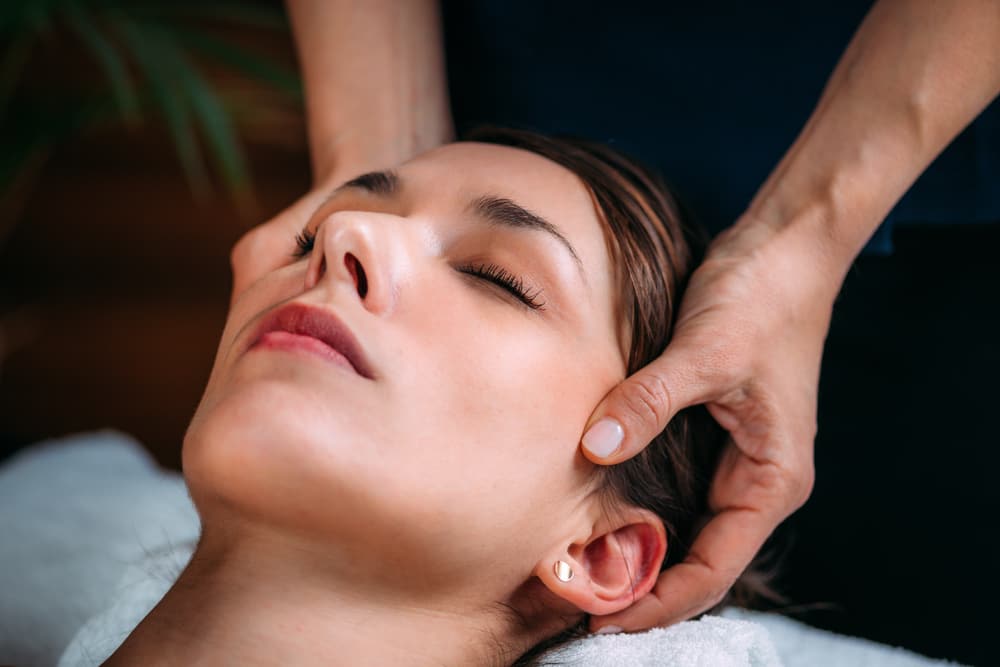
A CST session closely resembles a massage therapy session, with the key distinction being that you remain fully clothed throughout. Your session begins with a consultation with a trained therapist to identify specific areas of concern. To enhance your relaxation, soft music and low lighting are often employed.
The therapist uses gentle pressure techniques to assess the presence of potential disruptions or restrictions in your fascial system. The application of light touch and fascial release can help your muscles and organs naturally alleviate stress, ultimately improving their functionality. Many individuals report experiencing a profound sense of relaxation during and after a CST session.
Is CST Suitable for Everyone?
CST is generally considered suitable for a wide range of individuals, offering potential benefits for almost everyone. However, there are some conditions for which CST may not be appropriate.
If you have experienced any of the following conditions and have not been cleared for treatment by your physician, it’s essential to discuss your situation with your CST practitioner:
- Recent concussion
- Cerebral swelling
- Structural defects in the cerebellum, such as Arnold-Chiari malformation
- Brain aneurysm
- Traumatic brain injury
- Blood clots
- Any disorder causing instability of cerebral fluid pressure, flow, or build-up
Craniosacral therapy is a holistic approach to wellness, offering a gentle path to relief, relaxation, and improved overall health. Its versatility and minimal invasiveness make it a valuable option for individuals seeking natural solutions to various health concerns.
If you’re considering CST, consulting with a qualified practitioner can help determine whether it’s the right fit for you.